

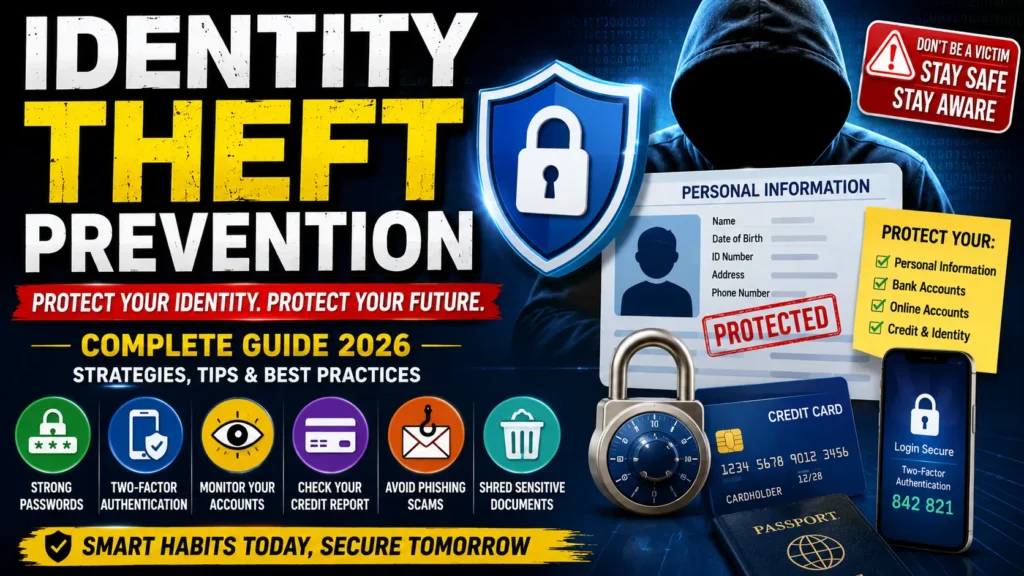
What Is Identity Theft?
Identity theft is a crime in which someone steals and uses another person's personal information without permission. The goal is usually financial gain, but criminals may also use stolen identities to commit fraud, evade law enforcement, or access restricted services. Unlike traditional theft, identity theft often happens without the victim realizing it immediately. Criminals may use stolen information to create new accounts, access existing financial services, file tax returns, or purchase products using someone else's identity. The internet has made identity theft easier than ever before. Personal information is stored across multiple online platforms, databases, and digital services. A single data breach can expose millions of records to cybercriminals. Identity thieves frequently target information such as email addresses, passwords, banking details, social security numbers, driver's license information, and credit card numbers. Once obtained, this information may be sold on underground marketplaces or used directly by attackers. Understanding the different forms of identity theft is essential for prevention. The more knowledge individuals have about these threats, the better prepared they are to recognize suspicious activity and protect themselves from becoming victims.Types of Identity Theft
| Type | Description |
|---|---|
| Financial Identity Theft | Unauthorized use of financial accounts |
| Medical Identity Theft | Misuse of healthcare information |
| Tax Identity Theft | Fraudulent tax filings |
| Child Identity Theft | Theft of a minor's identity |
| Criminal Identity Theft | Using another person's identity during crimes |
| Synthetic Identity Theft | Combining real and fake information |
Why Identity Theft Is Increasing
The rise of digital technology has significantly increased opportunities for cybercriminals. More people than ever store sensitive information online, creating attractive targets for hackers and fraudsters. One major reason identity theft is increasing is the growing number of data breaches. Large organizations collect enormous amounts of customer information, including names, addresses, passwords, and payment details. When these databases are compromised, millions of records can become exposed. Social media platforms have also contributed to the problem. Many users publicly share birthdays, locations, employment details, and family information. Criminals can use these details to answer security questions or create convincing phishing attacks. Online shopping has further expanded opportunities for identity theft. Every purchase requires users to share payment information, creating additional points of vulnerability. Remote work environments have also introduced new security challenges. Employees often access sensitive information from personal devices and home networks that may lack enterprise-level protection. As cybercriminals continue developing sophisticated attack methods, identity theft prevention becomes increasingly important for individuals, families, and businesses alike.Common Methods Used by Identity Thieves
Identity thieves use a variety of techniques to obtain personal information. Understanding these methods can help individuals avoid becoming victims. Phishing is one of the most common methods. Attackers send fake emails, text messages, or websites that appear legitimate. Victims are tricked into providing passwords, financial information, or other sensitive details. Data breaches are another major source of stolen information. When organizations experience security failures, customer records may become available to cybercriminals. Malware infections allow attackers to secretly monitor devices, capture passwords, and collect financial information. Users often become infected by downloading malicious files or visiting compromised websites. Public Wi-Fi networks can also pose risks. Unsecured connections may allow attackers to intercept sensitive information transmitted over the network. Social engineering attacks manipulate people psychologically. Criminals often impersonate trusted organizations or individuals to gain access to confidential information.Most Common Identity Theft Techniques
| Technique | Risk Level |
|---|---|
| Phishing | Very High |
| Data Breaches | Very High |
| Malware | High |
| Social Engineering | High |
| Public Wi-Fi Exploitation | Medium |
| Physical Document Theft | Medium |
Warning Signs of Identity Theft
Detecting identity theft early can significantly reduce the damage caused by fraudulent activity. Unfortunately, many victims do not realize they have been targeted until substantial harm has already occurred. One common warning sign is unauthorized financial activity. Unexpected charges on credit cards, unexplained bank withdrawals, or unfamiliar purchases should be investigated immediately. Receiving bills or account statements for services you never opened may also indicate identity theft. Criminals frequently create new accounts using stolen information. Unexpected loan denials can be another warning sign. Fraudulent activity may damage your credit score and affect future financial applications. Victims may also notice unusual emails, account notifications, or password reset requests. These can indicate that someone is attempting to access personal accounts. Missing mail is another potential indicator. Criminals sometimes redirect mail to obtain sensitive information and financial documents. Regularly monitoring financial accounts and credit reports can help identify these warning signs before significant damage occurs.Best Identity Theft Prevention Strategies
Identity theft prevention requires a proactive approach. No single security measure can eliminate all risks, but combining multiple strategies significantly improves protection. Strong passwords are one of the most important defenses. Every online account should have a unique password containing a combination of letters, numbers, and symbols. Two-factor authentication provides an additional layer of security. Even if criminals obtain a password, they may still be unable to access the account without the second verification factor. Users should avoid clicking suspicious links or downloading unexpected attachments. Many phishing attacks rely on convincing victims to take actions that compromise their security. Regularly reviewing account activity helps identify suspicious behavior early. Monitoring bank statements, credit reports, and login activity can reveal unauthorized access. Keeping devices updated is equally important. Software updates often contain security patches that protect against newly discovered vulnerabilities.Essential Identity Theft Prevention Tips
| Prevention Method | Effectiveness |
|---|---|
| Strong Passwords | Very High |
| Two-Factor Authentication | Very High |
| Account Monitoring | High |
| Software Updates | High |
| Antivirus Protection | High |
| Secure Browsing Habits | High |
Identity Theft Prevention for Social Media Users
Social media platforms contain a wealth of personal information that criminals can exploit. Many users unknowingly share details that help attackers answer security questions or create convincing scams. Avoid posting sensitive information such as addresses, phone numbers, financial details, or identification documents. Even seemingly harmless information can assist cybercriminals. Privacy settings should be reviewed regularly. Limiting profile visibility reduces exposure to strangers and potential attackers. Be cautious when accepting friend requests from unknown individuals. Fake profiles are often used to collect personal information or distribute malicious links. Users should also avoid publicly sharing travel plans. Criminals may use this information to target individuals while they are away from home. Maintaining strong passwords and enabling two-factor authentication on social media accounts adds an important layer of protection.Identity Theft Prevention for Online Shopping
Online shopping is convenient, but it also creates opportunities for fraud and identity theft. Consumers should only shop on trusted websites that use secure connections. Before entering payment information, verify that the website uses HTTPS encryption. Secure websites help protect transmitted data from interception. Avoid storing payment details unnecessarily. While saved payment methods offer convenience, they may increase exposure during data breaches. Use credit cards instead of debit cards whenever possible. Credit cards often provide stronger fraud protection and dispute resolution options. Regularly reviewing purchase history helps identify suspicious transactions quickly. Consumers should also avoid making purchases through public Wi-Fi networks unless using a secure VPN connection.Identity Theft Prevention for Remote Workers
Remote work has created new cybersecurity challenges. Employees frequently access sensitive information from home networks and personal devices. Using strong Wi-Fi passwords is essential. Home networks should be protected with modern encryption standards and secure passwords. Company devices should remain separate from personal devices whenever possible. This reduces the risk of accidental exposure. Virtual Private Networks (VPNs) provide additional protection by encrypting internet traffic. Many organizations require VPN usage for remote employees. Regular software updates, antivirus protection, and secure file-sharing practices further reduce risks. Remote workers should also remain alert for phishing attacks targeting business communications.Pros and Cons of Identity Protection Services
Pros vs Cons
| Pros | Cons |
|---|---|
| Credit Monitoring | Monthly Fees |
| Fraud Alerts | Limited Prevention |
| Recovery Assistance | Ongoing Cost |
| Dark Web Monitoring | False Positives |
| Identity Insurance | Coverage Limits |
| Security Monitoring | Not Foolproof |